
Functional constipation (FC) is a common childhood problem that significantly affects children's quality of life and places a burden on families.[1] In India, its reported prevalence is 35.31%. Common triggers include painful defaecation, dietary changes, stool withholding, stressful events and inappropriate toilet training. Management involves parental counselling, adequate water and fibre intake, physical activity, behavioural therapy and medical treatment. Polyethylene glycol (PEG 3350) is a guideline-recommended first-line therapy for disimpaction and maintenance.[2] It is preferred over lactulose due to better stool frequency and consistency, abdominal pain relief and reduced need for additional laxatives. For disimpaction, the recommended dose is 1.5–2 g/kg/day in two divided doses for 3–6 days. The 2026 ESPGHAN/NASPGHAN update recommends 0.4–0.8 g/kg/day for maintenance therapy.[3] Long-term PEG treatment helps maintain regular bowel movements and prevent recurrence. Persistent or refractory cases require specialist evaluation.
Reference(s):
1. https://www.ncbi.nlm.nih.gov/books/NBK537037/
2. https://pmc.ncbi.nlm.nih.gov/articles/PMC12277857/
3. https://pmc.ncbi.nlm.nih.gov/articles/PMC13446596/
Role of PEG in the Management of Functional Constipation in Children
|
Dr. Mayank Dixit
|
0 Views
Recent Videos
Long-Term Maintenance Treatment for the Management of Functional Constipation in Children: A Key to Prevent Relapse
|
Dr. Pankaj Dabas
|
0 Views
Long-Term Maintenance Treatment for the Management of Functional Constipation in Children: A Key to Prevent Relapse
|
Dr. Jitumoni Deori
|
0 Views
Role of PEG in the Management of Functional Constipation in Children
|
Dr. Senthilnathan
|
0 Views
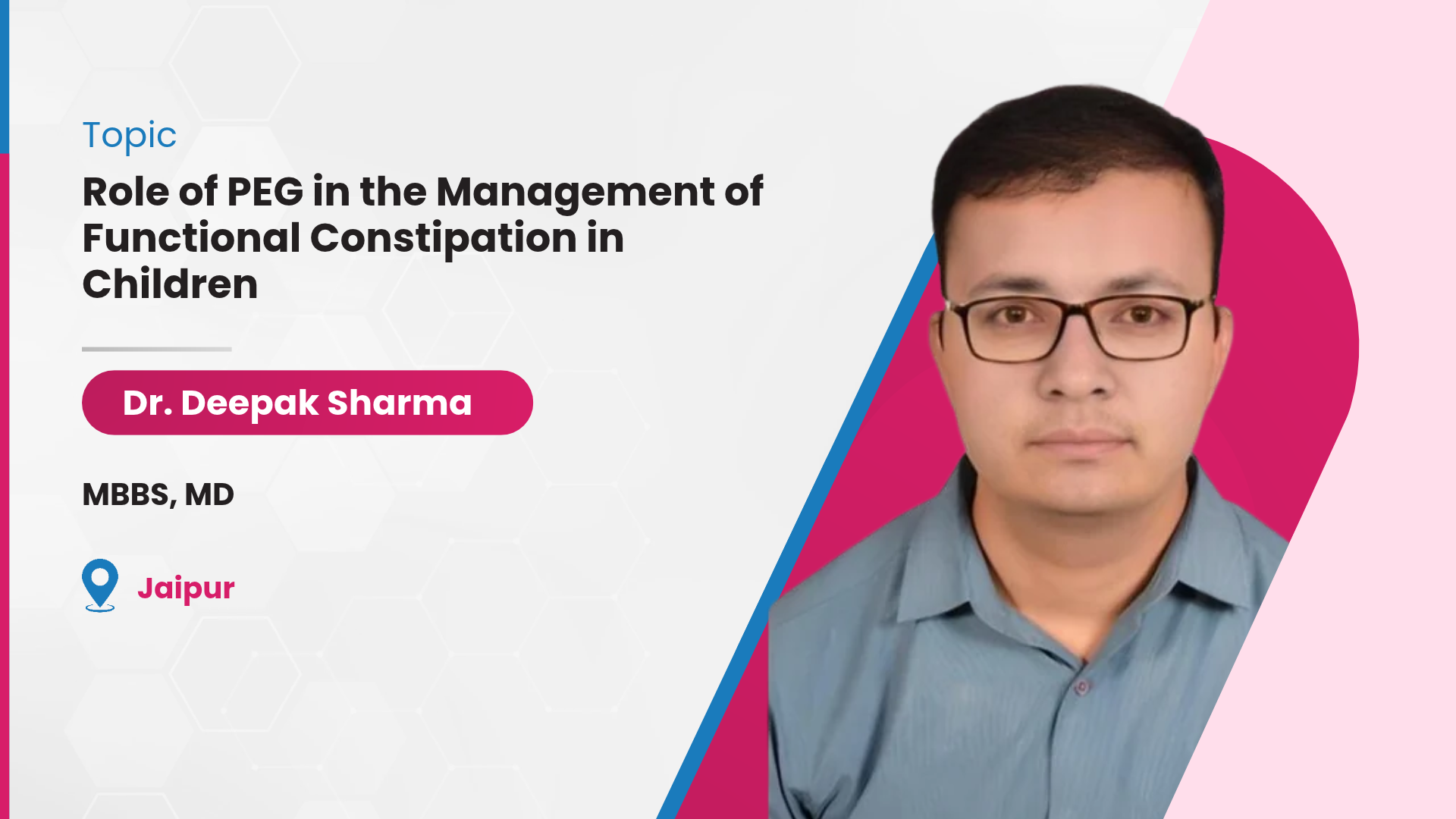
Role of PEG in the Management of Functional Constipation in Children
|
Dr. Deepak Sharma
|
0 Views
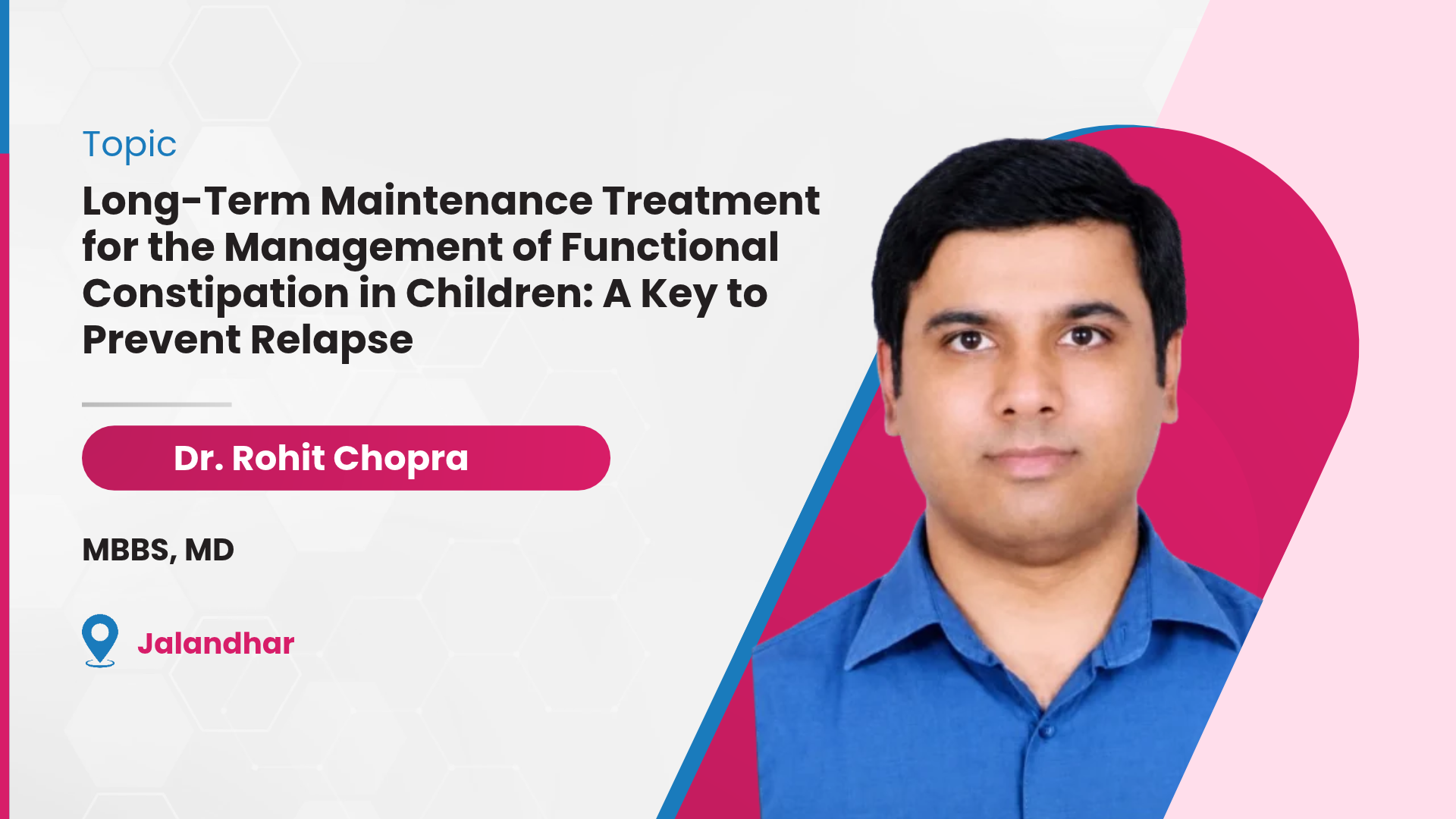
Long-Term Maintenance Treatment for the Management of Functional Constipation in Children: A Key to Prevent Relapse
|
Dr. Rohit Chopra
|
0 Views
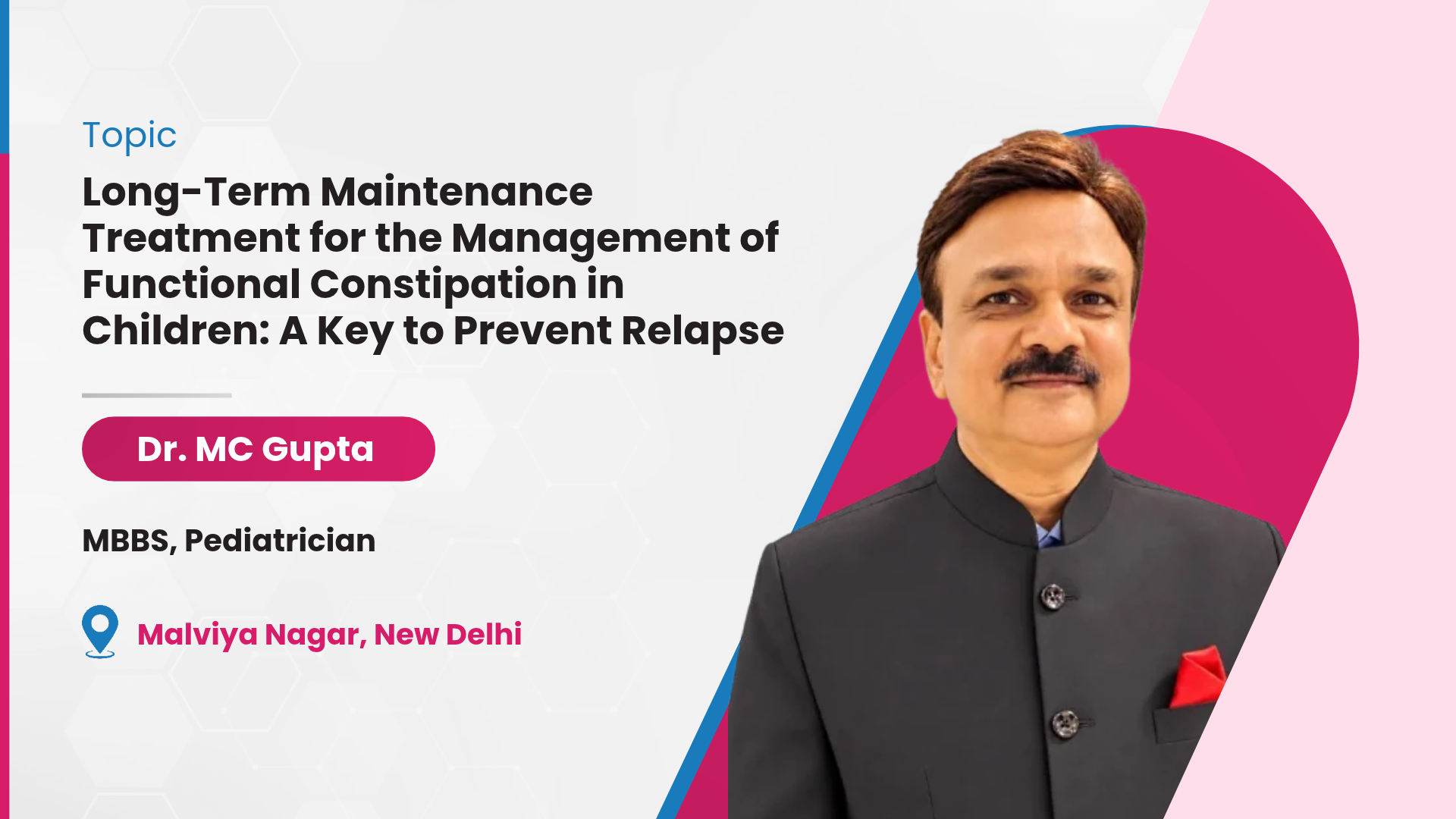
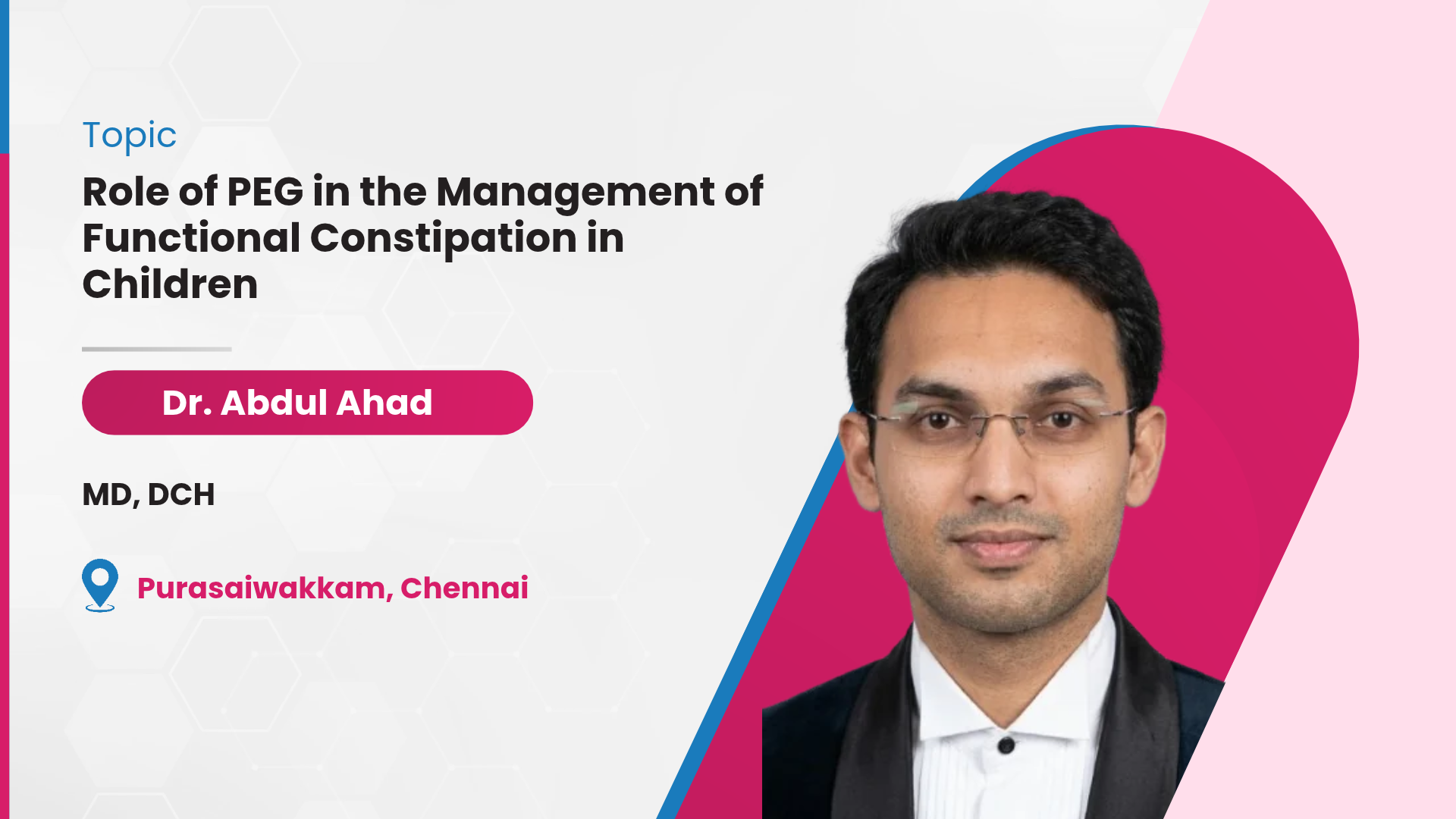
Role of PEG in the Management of Functional Constipation in Children
|
Dr. Abdul Ahad
|
0 Views